How Restaurants Can Win With Seasonal Menus

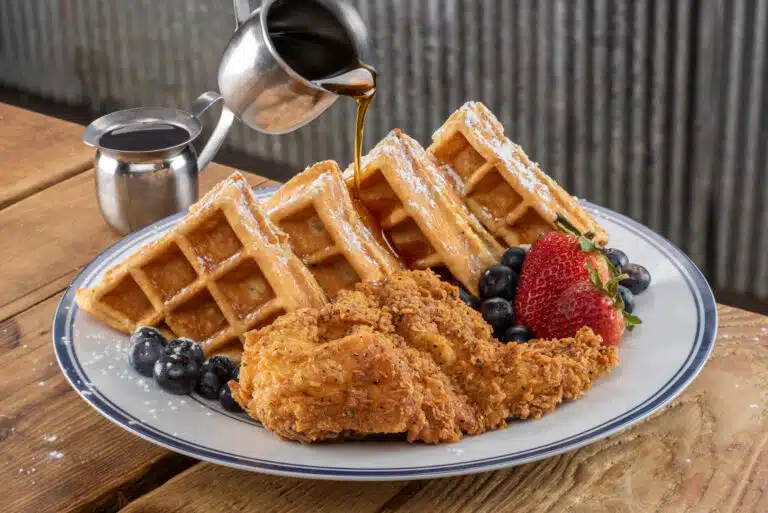
A seasonal menu can do far more than freshen up a dining room. At its best, it sharpens a restaurant’s identity, improves ingredient quality, gives the kitchen a stronger margin story, and creates a reason for guests to come back before a favorite dish disappears. At its worst, it becomes a quarterly scramble that confuses regulars, strains the line, and leaves owners wondering why the numbers did not move.
The difference usually comes down to discipline. Seasonality is not just about swapping asparagus for squash or peaches for apples. It is a business choice that affects purchasing, prep systems, menu engineering, marketing, staffing, and guest expectations. Restaurants that handle those moving parts well can turn a seasonal menu into one of the most reliable growth tools they have.
What follows is the practical side of that work, the part that matters when the tickets start printing and the delivery truck is late.
Seasonality works because guests feel it immediately
Most diners do not talk about supply chains, yield loss, or food cost percentages. They talk about whether a dish tastes alive. A tomato in high summer needs very little help. So does a perfectly ripe strawberry, a just dug new potato, or the first good batch of local sweet corn. Guests notice that kind of ingredient confidence even if they cannot name it.
That is one reason seasonal menus tend to perform so well in independent restaurants and chef driven groups. They signal care. They imply that someone in the building is paying attention. A static menu can still be excellent, of course, but a restaurant that changes thoughtfully with the calendar often feels more rooted, more current, and more worth another visit.
There is also a psychological advantage. Scarcity sells when it is genuine. Guests who know that the English pea risotto or grilled stone fruit dessert will only be around for six weeks are more likely to order it now. The same urgency can lift average check without resorting to gimmicks. Limited availability, when it reflects the real rhythm of ingredients, feels honest rather than manipulative.
That said, seasonality is not automatically profitable. A restaurant can absolutely lose money chasing novelty if each menu turn demands too many new SKUs, too much retraining, or too much waste. The operators who get the upside are the ones who build seasonal change into the bones of the business.
Start with your concept, not the market calendar
One of the most common mistakes is treating seasonal menus as a performance of freshness rather than an extension of the restaurant’s point of view. A steakhouse, neighborhood bistro, fast casual salad concept, and coastal seafood restaurant should not all approach seasonality the same way.
A smart seasonal menu begins with a clear question: what kind of change makes sense for this restaurant and for these guests?
For some restaurants, the answer is a full menu reset four times a year. For others, it is a stable core menu with a rotating set of specials, one seasonal side, two cocktails, and one dessert that tracks the market. Both models can work. The wrong model is the one that asks more from the kitchen and dining room than the business can support.
I have seen restaurants hurt themselves by changing too much, too often. The chef was excited, the cooks were exhausted, and regulars came in looking for the braised chicken that had quietly vanished. Sales dipped not because the new dishes were bad, but because the restaurant broke its own sense of familiarity. Guests usually want a balance. They like being surprised, but they also like feeling oriented.
A better approach is to decide what must stay, what can rotate, and what should serve as a seasonal showcase. That way, the menu evolves without losing its signature.
The numbers behind a good seasonal menu
Seasonality is often discussed as a culinary issue first. In practice, it is just as much a financial one.
When produce is in peak season, the best version of it is usually easier to source, cheaper relative to quality, and simpler to execute. That can mean lower plate cost and stronger guest satisfaction at the same time. A restaurant that pays a premium for mediocre out of season berries in January is fighting uphill before the dish even reaches the pass. The same restaurant can buy excellent berries in June, use them across brunch, pastry, and bar, and suddenly the item makes sense.
This does not mean every seasonal ingredient is cheap. Early ramps, morels, soft shell crabs, and first of season cherries can be brutally expensive, especially if demand spikes in major markets. But they can still be worthwhile if the menu uses them strategically. A soft shell crab special that creates buzz and drives traffic may earn its keep differently than a high volume pasta. Margin has to be considered in context.
The real financial opportunity often comes from engineering overlap. If a restaurant brings in spring peas, they should appear in more than one place if volume allows, perhaps in a pasta, a side dish, and a composed salad. If peaches are the seasonal star, maybe they show up in dessert and a bourbon cocktail as well. Cross utilization lowers waste and gives purchasing more confidence.
Restaurants that win here pay close attention to three numbers: contribution margin, waste percentage, and labor minutes per dish. A seasonal item with beautiful ingredients can still be a bad business decision if prep is too fussy or if trim loss is punishing. Guests do not see that spreadsheet, but ownership feels it quickly.
Build around transitions, not just seasons
The calendar says summer starts on a certain date. The market rarely agrees.
One of the useful shifts in thinking is to stop planning around abstract seasons and start planning around transitions. Early spring does not cook like late spring. The first local tomatoes are not the same as the glut three weeks later. Citrus may still be strong while the first tender herbs arrive. If a restaurant writes menus too rigidly, it misses the nuance that makes seasonality powerful.
This is where chefs and purchasers earn their keep. They need enough flexibility to respond when a product arrives earlier than expected, disappears due to weather, or jumps in price because everyone else had the same idea. A good seasonal menu is not fragile. It leaves room to substitute, to adjust garnish, or to convert a planned composed dish into a nightly special if supply gets tight.
That flexibility should be built into the language of the menu as well. A line like “market vegetables” gives more room than a precise list of four items that may be wrong by Friday. Used carefully, that kind of wording protects the restaurant without sounding evasive. The key is honesty. If the dish depends on a particular ingredient to justify the price or concept, then the restaurant needs to be able to deliver it consistently.
Supplier relationships matter as much as recipe development
Restaurants love talking about menu creativity. Fewer enjoy the less glamorous work of procurement. Yet seasonal success is usually easier for operators who have strong communication with farmers, fishmongers, produce houses, and specialty vendors.
The best purchasing relationships are not transactional. They are collaborative. A supplier who understands your volume, your service style, and your price sensitivity can guide you toward ingredients that are peaking, plentiful, or likely to tighten. That insight helps a restaurant write menus with fewer surprises.
For smaller restaurants, local sourcing can be a brand advantage, but it requires realism. Buying direct from farms can improve freshness and storytelling, though it often brings inconsistency in pack size, delivery timing, and quantity. A restaurant that builds its whole menu around one tiny producer without backup plans is taking a risk. There is nothing romantic about eighty covers booked on Saturday and not enough greens in the walk in.
In practice, many strong operators blend sources. They may feature key local ingredients when available, supplement with trusted distributors for consistency, and keep a small set of contingency products in mind if weather disrupts supply. Guests appreciate the local story, but they appreciate a functioning kitchen more.
Designing dishes that your team can execute
A seasonal menu should excite the kitchen, not trap it.
There is often a temptation to treat each menu change as a creative reset, the moment to unveil every new technique or plating idea the team has been discussing. That is understandable, especially in ambitious restaurants. But seasonality only helps the business if the line can execute the food at full volume and with clean consistency.
A useful test is to ask whether each new seasonal dish earns its operational complexity. Does it require an extra station component? A new sauce that breaks if held too long? A garnish that takes ninety seconds to place? A prep project that consumes a whole morning for twenty portions? Sometimes the answer is yes. A signature dish can justify more labor. Often, the answer should be no.
The strongest seasonal dishes usually have a kind of confidence to them. They let the ingredient do more of the work. A summer appetizer of ripe tomatoes, whipped feta, basil, olive oil, and grilled bread can outsell and outperform something twice as intricate because it hits the guest with immediate clarity. It also tends to travel better across skill levels in the kitchen.
That matters when staffing is uneven, which is normal in this industry. A restaurant cannot assume every station will be staffed by its strongest cook every night. Menus need to survive real conditions, not ideal ones.
Training the front of house is where many restaurants lose momentum
A seasonal menu lives or dies in the dining room as much as on the stove.
When new dishes launch, servers need more than ingredient lists. They need the why behind the menu. Which items are limited? Which flavors are brighter, richer, lighter, or more guest friendly? Which dish has a higher perceived value? Which items are easiest to pair with wine, beer, or cocktails? A server who understands those details can guide a table naturally. One who does not will default to whatever sounds familiar.
That has direct revenue implications. Guests are often willing to spend more on seasonal items if the story is specific and grounded. “The peaches are from a farm twenty miles away and we only have them for a few weeks” is stronger than “It’s our summer special.” Specificity feels real. It also gives the staff confidence.
Tastings matter here. A quick pre service meeting is not enough if the team has not actually eaten the food. Restaurants that take the time to let staff taste the new menu generally sell it better. That investment can feel expensive in the moment, but poor menu knowledge is more expensive over the course of a month.
Marketing seasonal menus without sounding forced
A seasonal menu gives a restaurant a natural reason to talk to its audience again. That is valuable, especially for places competing in crowded local markets where attention is hard won.
The trap is overselling. Guests can tell when a restaurant is using the word seasonal as decoration. If the menu has changed by one garnish and a different soup, a dramatic campaign about “the flavors of the harvest” will ring hollow. On the other hand, when there is a genuine shift, the marketing almost writes itself. A return of a beloved sweet corn agnolotti, the first oyster happy hour of the season, or a short run strawberry shortcake is enough to get regulars moving.
Some of the most effective seasonal marketing is simple:
- Show the dish clearly, with appealing but honest photography.
- Explain what is actually seasonal about it.
- Mention availability or timing if it is limited.
- Tie it to a familiar guest occasion, such as patio dining, brunch, or a date night return visit.
- Train staff to echo the same message in person.
This works because it respects how guests make decisions. They do not need a manifesto. They need a reason to book a table or stop in this week rather than next month.
Email, social media, table tents, and server language should all tell the same story. The best messaging is usually direct and sensory. Think less “experience our new seasonal offerings” and more “heirloom tomato flatbread is back, only while local tomatoes are at their peak.” One sounds generic. The other sounds like a restaurant that knows exactly what it is selling.
Not every category needs the same degree of change
One quiet advantage of seasonality is that it can be distributed unevenly across the menu. In many restaurants, dessert, drinks, and sides can absorb seasonal changes more smoothly than entrées. That is useful operationally.
Cocktails are often a strong testing ground. A seasonal drink can create excitement with lower kitchen labor and less menu risk. Desserts can move quickly with fruit changes, compotes, spiced custards, or holiday textures. Side dishes can make the whole menu feel current even if core proteins remain stable. A roast chicken with a rotating seasonal accompaniment is still recognizably your roast chicken, which helps regulars stay comfortable.
This is especially helpful for restaurants with signature items. If a burger, ramen bowl, or fried chicken plate drives repeat traffic, there may be little benefit in changing it just to prove a point about seasonality. Better to refresh the supporting cast around that anchor and preserve what guests already love.
The danger of overcomplicating local and seasonal claims
Guests care about where food comes from, but they also care about whether the restaurant is straightforward. That means operators need to be careful with language like local, farm fresh, seasonal, or market driven. These words carry expectations.
If the restaurant says it sources locally, staff should know which items that refers to and when. If local sourcing shifts week to week, that is fine, but the claim should stay accurate. Guests do not expect purity. They do expect honesty. Nobody sensible thinks a northern city is serving fully local citrus in winter. They do notice when a menu tries to imply more than it can support.
There is also a strategic question here. Hyper local sourcing may align beautifully with the brand, but it can narrow flexibility and increase cost volatility. Some restaurants build their identity around that trade off and make it work. Others are better served by focusing on seasonal quality more broadly, whether the produce came from fifty miles away or five hundred. The right answer depends on concept, market, and customer base.
What seasonal menu planning looks like behind the scenes
The smoothest seasonal rollouts are rarely spontaneous. They are the result of weeks of planning.
Chefs begin testing before the ingredient is fully in market. Purchasers check expected pricing and availability. Managers consider print timelines, POS updates, allergen notes, and training materials. The pastry team looks for overlap with https://maps.app.goo.gl/VF9QeS8FWQmjB3yf9 savory prep. The bar team thinks about pairings. If the restaurant has more than one unit, consistency and transferability become even more important.
It helps to work backward from launch. When that discipline is missing, menu changes often happen in a rush, and the signs show up everywhere. The plateware does not fit the new presentation. The prep list balloons. The staff sounds uncertain. The Instagram post goes live before everyone knows what the dish actually is.
A better rhythm tends to include a short postmortem after each seasonal cycle. Which dishes sold on the first read? Which ones required too much explanation? Which items had strong margins but weak reorder rates? Which products created supply headaches? A restaurant that learns from each turn gets sharper fast.
The mistakes that cost restaurants the most
A seasonal menu can fail for many reasons, but a few problems come up repeatedly:
- Changing too much at once and overwhelming both staff and guests.
- Buying premium seasonal ingredients without a pricing strategy to protect margin.
- Ignoring cross utilization and letting specialty products die in the walk in.
- Writing dishes that look good on paper but slow service during peak hours.
- Treating the launch as a culinary event while neglecting front of house training.
These are solvable issues. None of them require a different philosophy of food. They require better alignment between the creative side of the restaurant and the operational side.
When a seasonal menu becomes part of the brand
The restaurants that gain the most from seasonality are the ones that make it feel inevitable rather than promotional. Guests begin to expect the return of certain dishes. The first cool evening sends them in for a braise they missed. Spring brings back the asparagus tart. Late summer means melon salad and grilled fish on the patio. The menu starts to create memories tied to time of year, which is a powerful form of loyalty.
That kind of anticipation is hard to buy through advertising alone. It is earned through consistency, good judgment, and a sense of timing. The restaurant keeps its identity, but it never feels stale. Regulars have a reason to revisit, new guests hear there is something worth trying now, and the team stays connected to the craft in a practical way.
A seasonal menu is not a magic fix for a weak concept or poor execution. It will not rescue a restaurant that lacks discipline in purchasing or training. But when the foundation is sound, seasonality can sharpen almost every part of the operation. Food tastes better. Stories become easier to tell. Waste can go down. Repeat traffic can rise. The brand feels more alive.
For many restaurants, that is the real win. Not just a prettier menu, but a business that moves with the market, serves food at the right moment, and gives guests a reason to return before the season changes again.
Walter's BBQ Southern Kitchen
Address: 4501 Butler St, Pittsburgh, PA 15201
Phone number: +14126837474
FAQ About Restaurant
What is the 30 30 30 rule in restaurants?
The 30-30-30 rule in restaurants is a classic financial budgeting guideline that suggests dividing revenue into three main cost categories: 30% for food costs, 30% for labor costs, and 30% for overhead, leaving the remaining 10% as profit.
What does 68 mean in a restaurant?
In a restaurant, 68 means that a food or drink item is back in stock and available to sell again. It is the exact opposite of the much more common code 86, which means an item is out of stock and gone.
Is it rude not to tip at restaurants?
Yes, not tipping at a sit-down restaurant is generally considered rude in the United States and Canada, where standard tips range from 15% to 20%, but customs vary heavily by country. In North America, servers rely on tips as a core part of their income because laws allow lower minimum wages for tipped staff. In many other parts of the world, like parts of Europe and the UK, tipping is optional or not expected because workers receive a full standard minimum wage.