Jamaican Food in Denver: A Guide to Bold Caribbean Spices
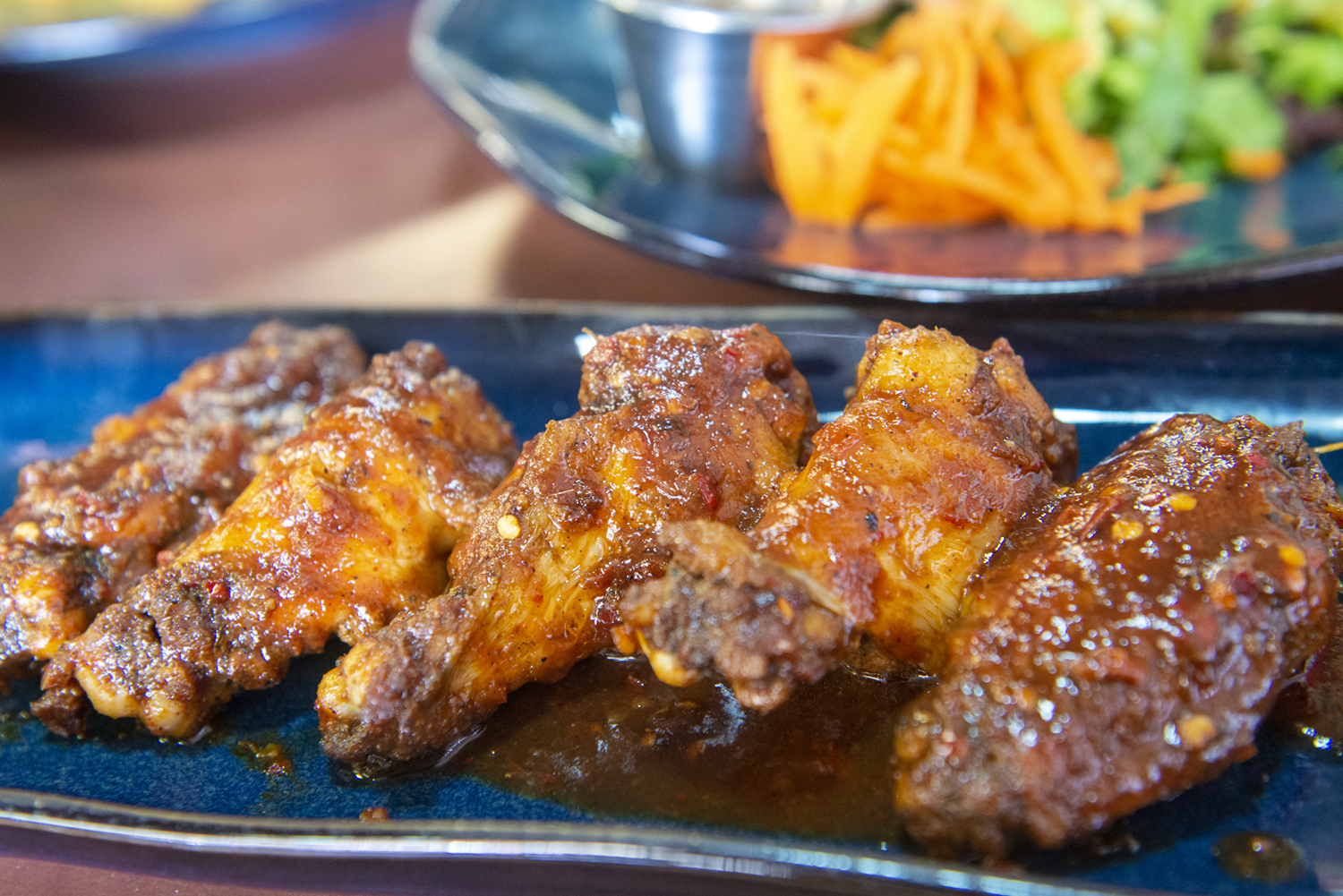
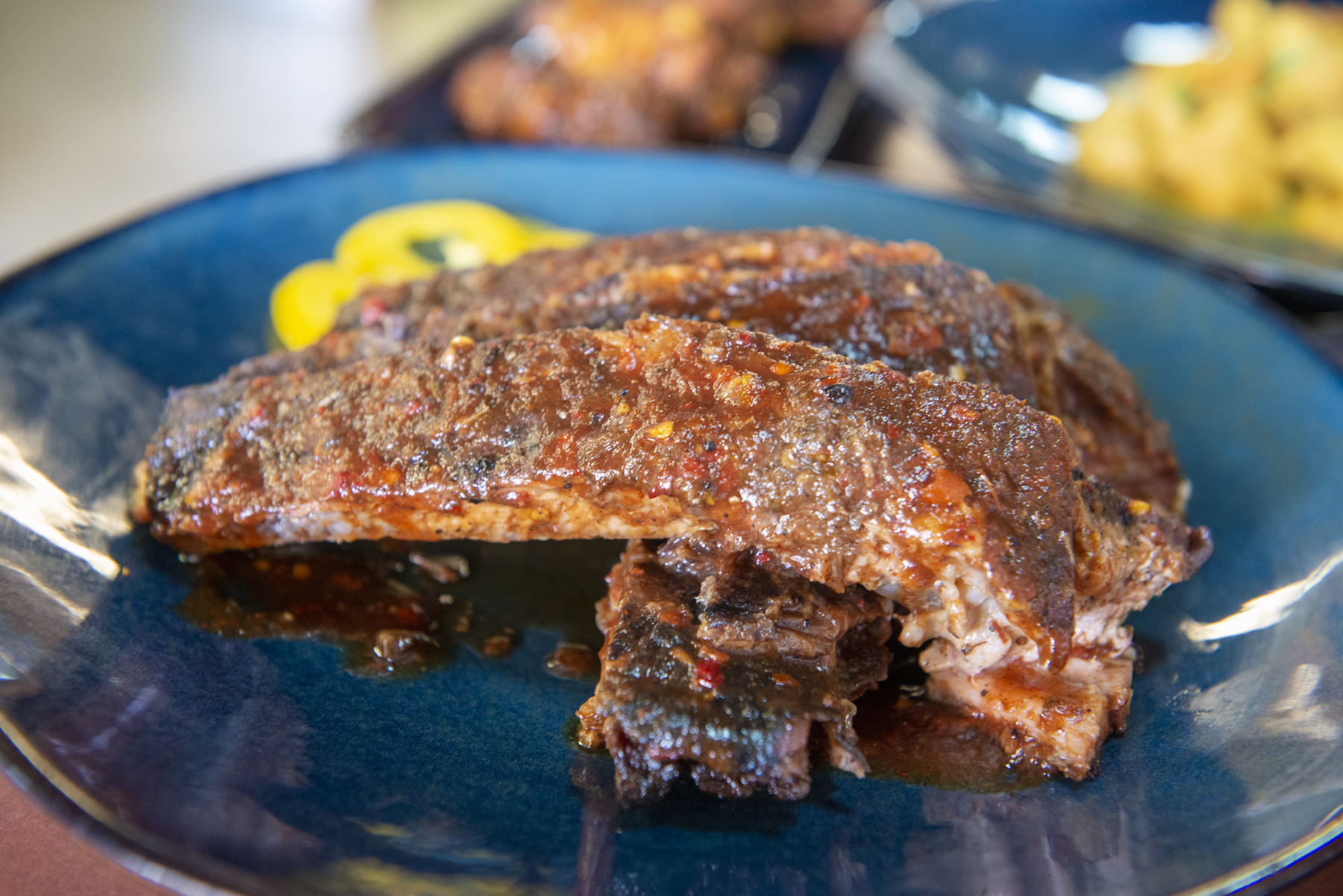
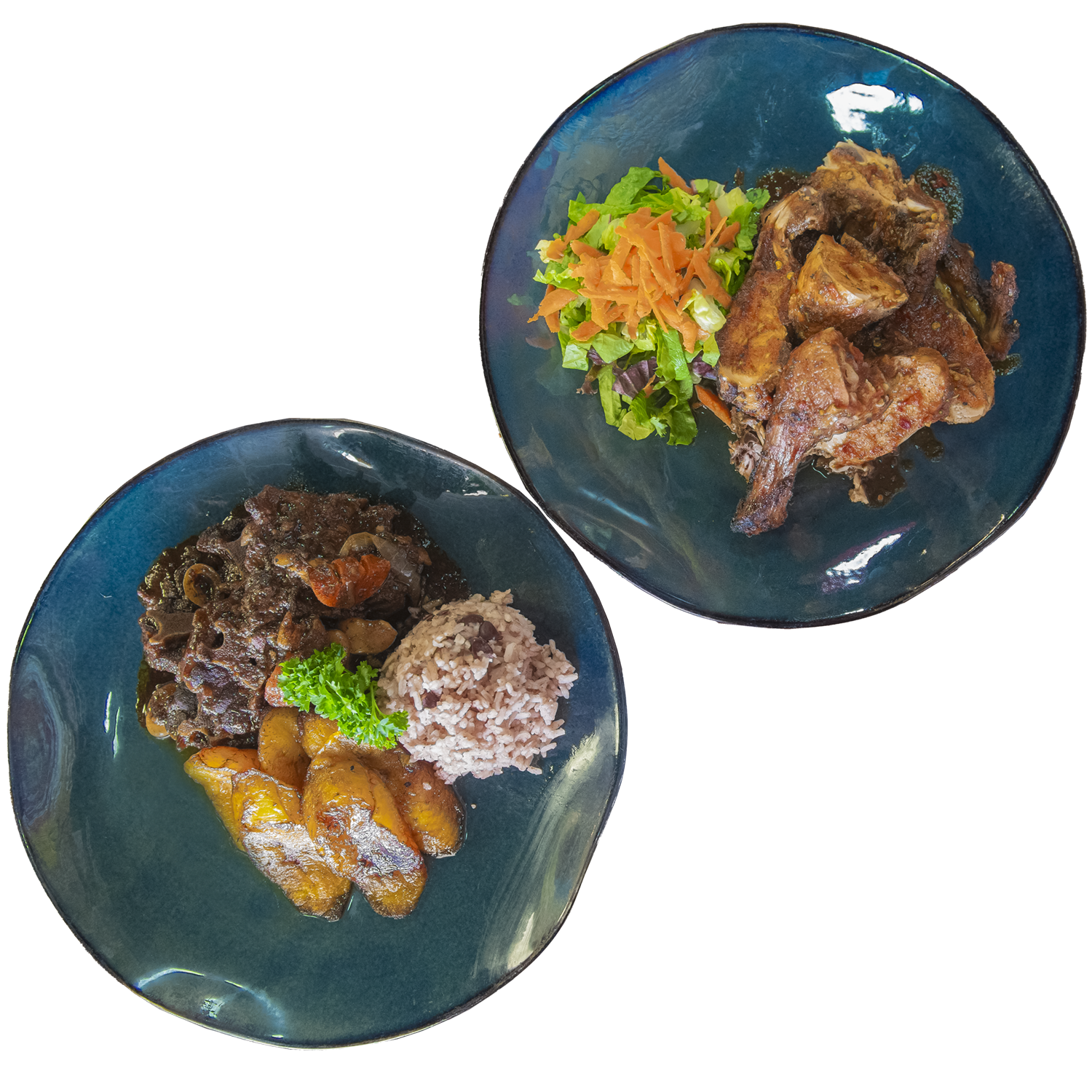
Denver is not the first city most people associate with Caribbean cooking. People tend to think of coastal neighborhoods, year-round humidity, and street corners perfumed with smoke from jerk pans. Yet the city has quietly built an appetite for food with more personality, more heat, and more depth than the standard takeout routine. That is where Jamaican cuisine fits so naturally. It brings char, sweetness, fire, and slow-cooked comfort in one plate.
Anyone searching for jamaican food denver is usually looking for more than a restaurant address. They want to know what makes the food distinct, what to order, how spicy it really is, and whether the flavors hold up in a city better known for green chile, craft beer, and steakhouse menus. The answer is yes, when it is done well. Jamaican food has enough force and nuance to stand anywhere. In Denver, it offers a welcome counterpoint to familiar local staples, especially for diners who crave seasoning that does more than sit on the surface.
The best Jamaican dishes do not rely on heat alone. Spice in this tradition means aroma, depth, and layering. Scotch bonnet peppers matter, but so do allspice berries, fresh thyme, scallions, ginger, garlic, nutmeg, cinnamon, and the savory backbone that comes from browning meat properly before it ever hits the braising liquid. One bite of good oxtail or jerk chicken tells you this is not one-note food. It is built patiently.
What gives Jamaican food its unmistakable flavor
A lot of cuisines use chiles, herbs, and warm spices. Jamaican cooking stands apart because of the way it balances them. The food can be fiery, but it is also earthy, fragrant, and faintly sweet in places where you might not expect it. A well-made jerk marinade smells smoky and green at first, then reveals allspice and pepper, then a deeper warmth from cinnamon or nutmeg depending on the cook. Curry goat carries turmeric color and chile bite, but the richer notes usually come from time, onions, garlic, and a good curry blend that has bloomed in oil.
Allspice deserves special attention because it is one of the defining signatures of Jamaican flavor. People often assume it is a baking spice because they know it from pumpkin desserts or holiday cookies. In Jamaican cooking, it behaves very differently. It adds woodsy warmth to jerk, supports grilled meats, and helps give braises their rounded finish. Combined with thyme and scallion, it creates the backbone of many savory dishes. Scotch bonnet peppers add heat, fruitiness, and a floral edge that habaneros can approximate but not perfectly match.
The result is food with a broad flavor arc. It arrives hot, then savory, then sweet, then smoky. Denver diners used to direct spice, the kind that arrives as a sharp front-end punch, sometimes need a meal or two to understand that Caribbean seasoning works in layers. Once they do, it tends to stick with them.
Jerk is not just a spice level
Jerk gets flattened in a lot of American conversations. People use the word as shorthand for “spicy chicken,” which misses the point by a mile. Jerk is a method, a marinade, and a tradition. At its best, it is also a texture. The outside should carry char and caramelization. The inside should https://griffinlpad217.lowescouponn.com/denver-s-go-to-guide-for-jamaican-food stay juicy. The seasoning should penetrate, not just coat.
Traditionally, jerk is associated with pimento wood smoke, which is hard to reproduce outside Jamaica and uncommon in many U.S. Kitchens. That is one reason jerk varies so much from place to place. In Denver, where restaurants have to adapt to supply chains, climate, equipment, and customer expectations, you will often find jerk prepared on grills, smokers, or ovens that capture some, but not all, of that original profile. That does not automatically make it lesser. It just means the best places understand what cannot be compromised: deep marinade time, assertive allspice, real chile heat, and enough smoke or char to make the flavor feel complete.
When jerk goes wrong, the failures are obvious. The chicken comes out red and dry, tasting like bottled sauce with cayenne. The heat sits on top, disconnected from the rest of the dish. There is no thyme brightness, no savory depth, no sweet-spice note to anchor the burn. Denver has enough discerning eaters now that those shortcuts are easier to spot. Good Jamaican kitchens know they need the full picture.
Why Jamaican food works so well in Denver
At first glance, the match seems unlikely. Jamaican cooking comes from an island climate and agricultural rhythm that has little in common with the Front Range. But Denver has always responded to bold, warming food. High-altitude weather changes quickly, and the city has long embraced dishes built around grilled meat, stews, and strong seasoning. Jamaican cuisine lands right in that comfort zone while still offering something distinct.
There is also the practical matter of dining habits. Denver diners like casual spots with generous portions, strong lunch value, and food that travels reasonably well. Jamaican restaurants often deliver on all three. Rice and peas hold heat. Braised dishes such as oxtail and curry goat can taste even better after a short rest. Patties make an easy grab-and-go meal. Plantains travel better than fries. From a restaurant operations perspective, those are not small advantages.
The city’s palate has widened over the past decade. More diners are comfortable with goat, more expect real chile heat, and more want cuisines that preserve their character rather than sanding down every edge for mass appeal. That matters for Jamaican food, because the best versions do not apologize for intensity. They trust the diner to meet the plate halfway.
The dishes worth knowing before you order
If you are new to Jamaican food in Denver, the smartest move is to begin with the standards that reveal a kitchen’s discipline. Jerk chicken shows how seriously the restaurant handles seasoning and fire. Oxtail shows patience. Curry goat shows balance. Rice and peas shows restraint, because a side dish that simple has nowhere to hide. Cabbage, plantains, and patties fill in the rest of the story.
Jerk chicken is often the gateway order, and for good reason. It is familiar enough to be approachable, but technical enough to be revealing. The meat should have color from marinade and char from cooking, with enough moisture to stand up to the heat. If the plate includes a milder sauce on the side, use it thoughtfully. Some kitchens offer extra jerk sauce or a pepper sauce that can tip the meal from balanced to punishing in a hurry.
Oxtail is a different experience entirely. Done right, it arrives dark and glossy, with meat that yields without falling into mush. The sauce should feel rich from collagen, not greasy from poor skimming. You want depth from browning and aromatics, usually with butter beans rounding out the braise. It is one of those dishes that rewards slow eating. In Denver, where people often chase novelty, oxtail has a way of slowing the table down.
Curry goat deserves more mainstream attention than it gets. Goat has a cleaner, more assertive flavor than beef, and it pairs naturally with the warm bitterness of curry spices. A strong version tastes earthy and vivid, with enough sauce to soak into rice but not so much that the dish turns soupy. If a restaurant handles goat well, that usually signals confidence in the kitchen.
Patties can tell you plenty too. They look simple, but they are easy to do badly. The crust should be flaky and sturdy, with filling that tastes seasoned rather than merely salty. Beef is common, but chicken and vegetable versions can be excellent. A patty is not just a snack. At the right place, it is a quality check.
Reading the spice level like a regular
One thing that surprises first-time diners is that Jamaican food can feel both hotter and more balanced than other spicy cuisines. Scotch bonnet heat rises fast and lingers differently than jalapeño or serrano. It carries a fruity edge that can trick you into taking a second bite too soon. Then the heat blooms.
If you are ordering for a mixed group, ask how the kitchen handles spice on a typical day. That phrasing matters. Some places season every batch consistently. Others adjust based on who is cooking, how hot the peppers are that week, or whether the jerk sauce is brushed on lightly or laid on aggressively. Heat is not always standardized, especially in smaller independent kitchens.
Here are a few useful ways to approach your first order:
- Start with jerk chicken or a patty if you want a clear introduction to the seasoning.
- Choose oxtail or curry goat if you care more about depth than direct heat.
- Get rice and peas, cabbage, or plantains alongside any spicy main to soften the edges.
- Ask for extra pepper sauce on the side instead of mixed in, especially at lunch.
- Share two mains across the table if everyone wants to compare spice styles.
That kind of ordering gives you range without overwhelming your palate. It also lets you see whether a restaurant excels at grilled items, braises, or pastry. Most Jamaican spots have a strength, and it is worth finding it.
The sides are not filler
A common mistake is to treat the sides as an afterthought. In Jamaican cooking, they shape the meal. Rice and peas, usually made with coconut milk and kidney beans despite the name, is not there just to bulk up the plate. It absorbs sauce, calms heat, and adds a subtle creamy sweetness that keeps the meal from becoming too aggressive. Good rice and peas should be distinct and fragrant, not mushy and damp.
Fried plantains perform a similar balancing act. When ripe, they bring caramelized sweetness and soft texture that offset jerk’s smoke and pepper. They should not taste like dessert, nor should they arrive pale and starchy. The best ones carry browned edges and just enough oil to feel lush without turning heavy.
Steamed cabbage is another side that wins people over once they stop underestimating it. Cabbage cooked with carrots, peppers, onion, and seasoning can bring freshness and bite to a plate dominated by rich meat. It is one of the quiet markers of a thoughtful kitchen. When the cabbage is vibrant rather than limp, the rest of the meal usually benefits too.
Macaroni and cheese turns up at many Caribbean restaurants as well, though style varies. Some versions lean creamy, others dense and baked. It is not uniquely Jamaican, but it often fits naturally into the plate as a comfort note, especially for diners easing into stronger spice profiles.
What to look for in a Denver Jamaican restaurant
Finding good Jamaican food requires a slightly different lens than finding, say, a sleek new tasting-menu spot. Some of the best Caribbean meals come from compact, family-run spaces where the room is plain and the food carries the whole experience. You are looking for signs of care, consistency, and cultural confidence.
First, pay attention to aroma before you even order. A room that smells of thyme, grilled meat, onion, and spice is usually doing real work in the kitchen. Second, notice the menu’s center of gravity. If it seems built around jerk, curry, oxtail, patties, and a few strong sides, that is encouraging. When the menu sprawls too widely across unrelated comfort-food categories, focus can slip. Third, observe turnover. A tray of patties moving steadily or a lunch crowd ordering oxtail with confidence often tells you more than online hype.
The best restaurants also know when not to over-explain themselves. They may answer questions warmly, but they do not dilute every dish to suit a timid palate. If a place offers extra hot sauce without being asked and talks proudly about its marinade or curry blend, that is usually a good sign.
Pairing Jamaican flavors with Denver habits
One reason Jamaican food has staying power in Denver is that it adapts well to the rhythms of the city. It suits a quick lunch, a takeout dinner after a long commute, or a weekend meal with friends who want something more exciting than another burger. It also pairs surprisingly well with local beverage culture.
A crisp lager works beautifully with jerk chicken because it cools the palate without muting the allspice and smoke. Hazy IPAs can be trickier. Their bitterness and tropical fruit notes sometimes complement Scotch bonnet heat, but they can also amplify it. Darker beers can flatter oxtail and curry goat, though richness on richness can become a lot if the braise is particularly heavy. Rum drinks are the obvious partner, but not every setting calls for that. Even a tart ginger beer can be enough to sharpen the whole meal.
For takeout, Jamaican food generally holds up better than many fried or delicately plated cuisines. Braises travel exceptionally well. Jerk chicken remains strong if vented properly so the skin or exterior char does not steam itself soft. Plantains are best eaten sooner rather than later, but even they are more forgiving than fries. If you are deciding what to order for delivery on a cold evening, curry goat and rice is one of the safest bets in the city, regardless of neighborhood.
A few flavor combinations that convert skeptics
Not everyone arrives at Jamaican food ready for the full experience. Some diners hear “Caribbean” and expect tropical sweetness. Others worry that “spicy” means punishing. A smart first meal can change both assumptions quickly.
Jerk chicken with rice and peas and cabbage is often the ideal entry point because it shows contrast in one plate: char against starch, heat against freshness, savory depth against coconut softness. Oxtail with plantains can win over the braised-meat crowd who might otherwise default to short ribs or pot roast. Curry goat appeals to anyone who already enjoys lamb, stewed beef, or robust curries from other regions but wants something with a different spice architecture.
If you are ordering for a table with mixed preferences, this combination usually lands well:
| Dish | What it shows | Best for | |---|---|---| | Jerk chicken | Smoke, heat, allspice, char | First-time diners | | Oxtail | Slow braising, richness, savory depth | Comfort food fans | | Curry goat | Warm spice, earthiness, balanced heat | Adventurous eaters | | Beef patty | Pastry, portability, concentrated seasoning | Quick lunch or snack | | Plantains and rice | Sweetness and balance | Everyone at the table |
That spread creates a full picture without exhausting the palate. It also makes it easier to understand that Jamaican cuisine is not a single flavor profile. It is a set of techniques and seasonings that produce very different eating experiences.
The challenge of authenticity, and what matters more
Authenticity conversations can get shallow fast. Too often, people use the word to mean “exactly like the one version I had once,” which is not helpful. Jamaican food, like any living cuisine, shifts across households, parishes, migrations, and restaurant realities. A Denver kitchen may need to substitute ingredients, adjust cooking times for equipment, or source around seasonal limits. That does not automatically strip the food of integrity.
What matters more is whether the food understands itself. Does the jerk taste built, not bottled? Does the curry have dimension rather than generic yellow powder notes? Does the oxtail show patience? Are the sides seasoned with intent? Those questions reveal more than whether every ingredient is a perfect replica of what you would find in Kingston or Montego Bay.
At the same time, compromise has limits. When a menu softens every dish, removes the heat entirely, and reduces Jamaican food to sweet sauce over grilled chicken, something important gets lost. The cuisine’s identity rests in its assertiveness. Denver diners are capable of meeting that intensity, and restaurants should trust them enough to serve food with backbone.
How to get the most from your first few visits
There is real value in returning to the same Jamaican restaurant more than once. The first visit teaches you the broad strokes. The second helps you notice details, how the jerk changes with more sauce, how the rice behaves under curry, how a patty compares to a full entrée. By the third, you start ordering with intention rather than curiosity alone.
Go at lunch if you want a lower-risk introduction and a chance to sample the kitchen at speed. Go at dinner if you want the slower braises and the full comfort of the meal. If you are sensitive to heat, tell the staff plainly and respectfully, but leave room for some spice. The food loses part of its shape when stripped of all fire.
For anyone specifically searching for jamaican food denver, the goal should not be to find one definitive dish and stop there. It should be to understand the range within the cuisine. Try jerk from one kitchen and oxtail from another. Compare patties. Notice whether the cabbage is bright or tired, whether the plantains taste ripe, whether the rice and peas smell of coconut and thyme. Small cues add up.
Denver’s food scene keeps expanding, and that is good news for cuisines that thrive on confidence. Jamaican cooking does not need to imitate local trends to earn a place here. Its spices are too grounded, its methods too time-tested, and its best dishes too satisfying for that. When the food is prepared with care, it offers exactly what many diners want but cannot always name: intensity with balance, comfort with edge, and flavor that stays in your memory long after the plate is cleared.
Reggae Pot Jamaican Grill
Address: 2243 S Monaco St Pkwy #104, Denver, CO 80222
Phone number: +17204102956
FAQ About Jamaican Food Denver
What is typical Jamaican food?
Typical Jamaican food features bold, vibrant flavors created by blending African, Taino, European, and Asian influences.
What is a famous Jamaican dish?
Ackee and saltfish is Jamaica's national dish, made by sautéing the soft local ackee fruit with salted cod, onions, tomatoes, and spicy Scotch bonnet peppers.
What food is most popular in Jamaica?
The most popular and famous food in Jamaica is Jerk Chicken, celebrated worldwide for its smoky, spicy flavor.