The Complete Event Planning Guide for a Bar With Private Room
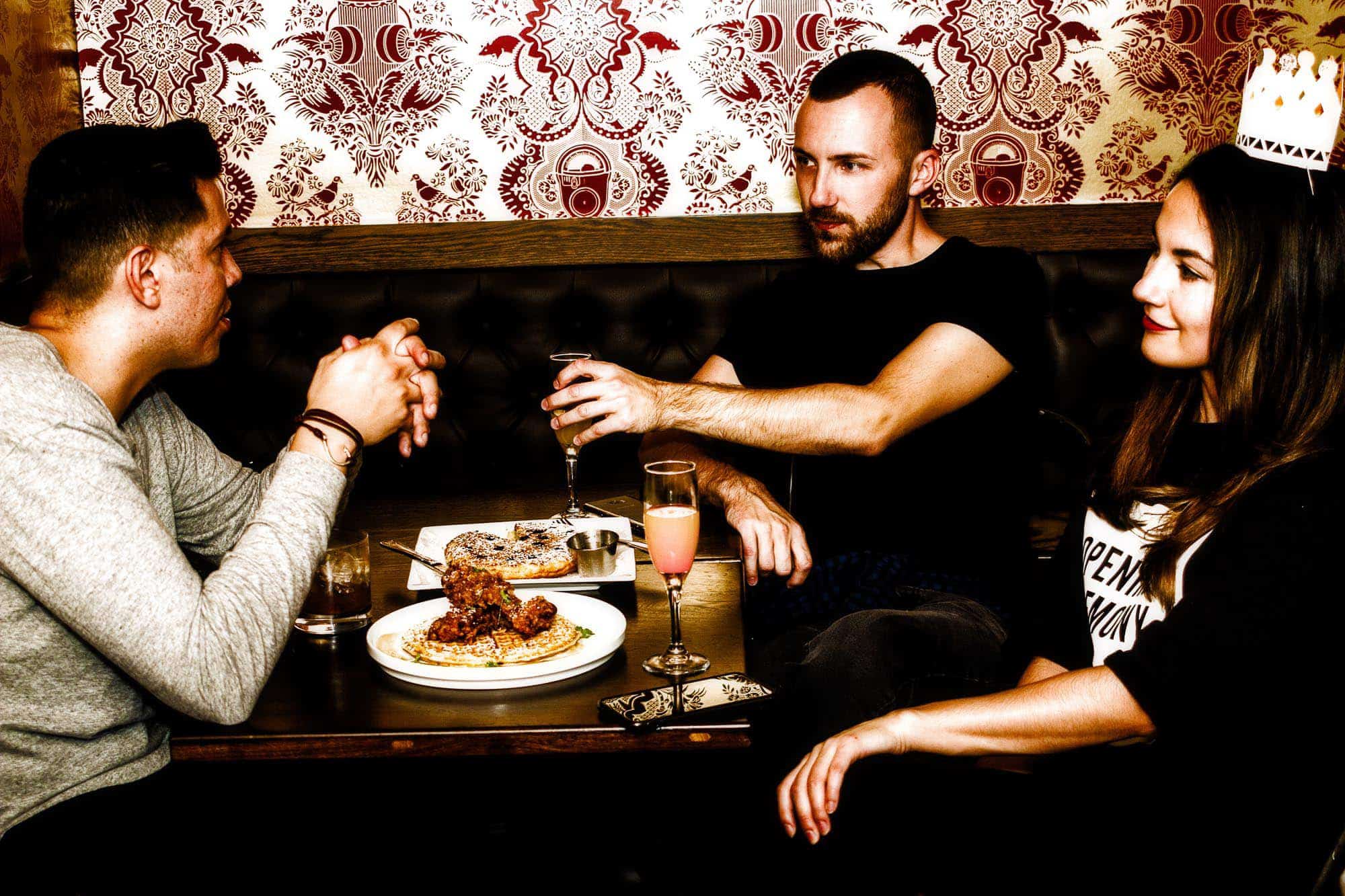
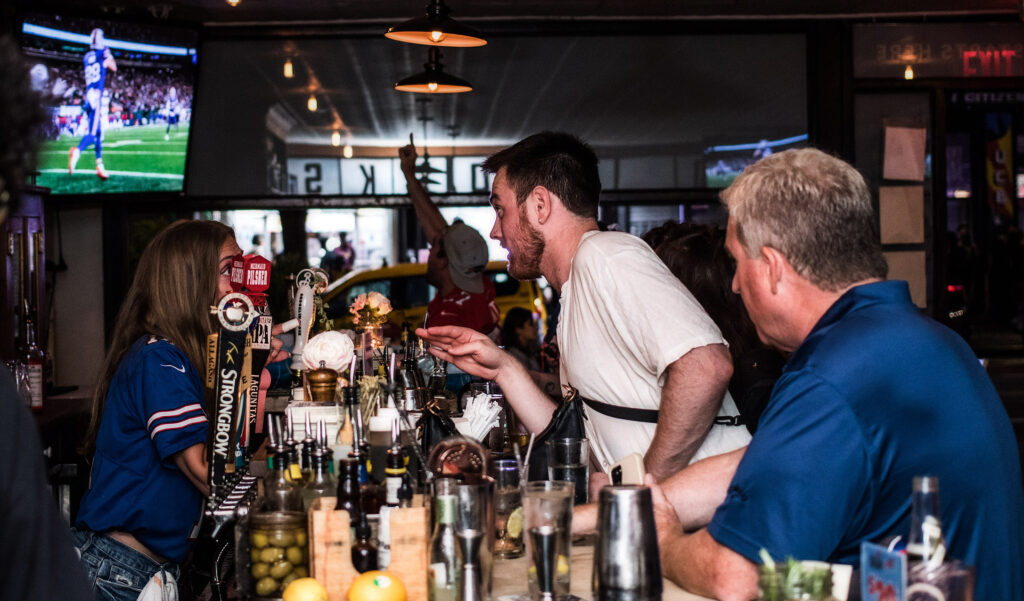
A great event in a bar never happens by accident. It comes together because someone made a series of smart, practical decisions before the first guest arrived. The room mattered. The flow mattered. The timing, staffing, menu, music, and even where people set down their coats mattered. When the venue is a Bar With Private Room, those choices become even more important, because the space gives you flexibility, but it also creates expectations. Guests assume the event will feel distinct from the main bar, more personal, more polished, and better organized.
That is what makes private-room events so appealing. You get the energy and service standards of a bar, but with enough separation to shape your own atmosphere. For birthdays, corporate mixers, rehearsal dinners, alumni gatherings, product launches, team celebrations, holiday parties, and low-key networking nights, that combination is hard to beat. It feels less rigid than a banquet hall and more intentional than claiming a cluster of tables in an open venue.
Still, the best private-room events depend on good planning, not just a good booking. A beautiful room can feel cramped if the guest count is off by ten. A strong drinks package can fall flat if service bottlenecks at the beginning of the night. A room that looks perfect for dinner can become awkward for speeches if no one thought about sightlines or sound.
The planning process gets easier once you stop thinking in broad terms and start looking at the event the way an experienced host or venue manager would. The questions become more concrete. How many people will actually attend, not just how many were invited? What will guests do in the first twenty minutes? Will they stand, circulate, and order drinks, or sit down quickly? How loud is the room when it fills up? Can the bar staff handle fifty cocktail orders at once? Does the event need a dedicated server, a bartender inside the room, or just access to the main bar?
Those are the details that shape the guest experience. They also determine your budget, timeline, and stress level.
Start with the event’s real purpose
Every successful event has a social purpose and a logistical purpose. The social purpose is what guests feel. The logistical purpose is what you need the evening to accomplish. If those two are misaligned, the event often feels slightly off, even if the room and menu are attractive.
Take a work celebration as an example. If leadership wants a relaxed, high-attendance gathering where people mingle across departments, a formal plated dinner in a private room can work against the goal. Guests stay seated with their own teams. Conversation narrows. The room may look polished, but the event becomes stiff. In that case, a more fluid setup with passed appetizers, a partial seating plan, and a few standing cocktail tables may do the job better.
The reverse happens with family events. Hosts sometimes book a Bar With Private Room because they want something more casual than a traditional event venue, then realize they still need structure. If grandparents are attending, if gifts will be opened, if a toast matters, and if the host wants everyone to actually hear it, then the private room needs clear zones and a schedule, even if the mood remains easygoing.
Before you compare venues or menus, answer a few basic questions honestly. What is the event for? What does success look like at the end of the night? Is this about conversation, celebration, visibility, or convenience? Once you know that, the right room setup becomes much easier to identify.
Choosing the right private room, not just the nicest one
People often fall in love with décor first. Exposed brick, warm lighting, a polished back bar, velvet seating, framed mirrors. Those things matter, but they should come after the fundamentals. A private room is useful because it solves practical problems. It gives you acoustic separation, a cleaner guest flow, more control over service, and a stronger sense of occasion. If it cannot deliver those, the style does not rescue it.
Capacity is the first reality check. Venues often quote a standing capacity and a seated capacity, and the gap between those numbers can be significant. A room that holds 50 standing may only seat 30 comfortably for dinner. If you are planning a mixed-format event, perhaps drinks first and food later, ask how the room transitions. Some spaces feel effortless with movable furniture. Others require an awkward reset while guests wait with drinks in hand.
Visibility matters more than hosts expect. If a birthday cake will be presented, if there will be a welcome speech, if a brand representative needs to address the group, you need enough clear sightlines for guests to engage naturally. Columns, corners, and low furniture can break up a room in ways that work for intimate conversation but not for shared moments.
Then there is sound. A bar with private room often gives you some insulation from the main crowd, but not always full quiet. Some rooms are separated by a door and solid walls. Others rely on curtains, partial dividers, or an elevated platform. There is nothing wrong with a semi-private setup if your event is built for mingling. It is a problem if you expect speeches, presentations, or a more intimate atmosphere.
Lighting is another overlooked detail. Dim lighting can flatter a cocktail party. It can also make it hard to read menus, https://miloqmya410.readspirex.com/posts/how-to-coordinate-catering-at-a-bar-with-private-room take photos, or identify colleagues at a business gathering. If the room can adjust between softer ambient light and brighter functional light, you gain flexibility.
A venue manager who answers these questions clearly is usually a good sign. If they stay vague, or oversell the room without addressing limitations, keep looking.
Guest count is where budgets live or die
Almost every event budget problem starts with an unstable headcount. Hosts often focus on the room fee or food minimum, but the real pressure comes from not knowing whether 25, 40, or 60 people will actually show up.
In a bar setting, the difference is not just about food. It affects staffing, drink volume, furniture layout, glassware, check-in flow, and the feel of the room itself. A private room with twelve extra guests can become uncomfortably loud and congested. A room with fifteen fewer guests than expected can feel oddly flat, as though the evening never quite got started.
Experience helps here. Casual social events usually have softer attendance certainty than business events with formal invites. A birthday party for 40 might land closer to 28 or 32 unless there is a seated meal and clear RSVP pressure. A client event with calendar invites may track more tightly, especially if there is a set start and finish.
The safest approach is to work in ranges early, then tighten the numbers as deadlines approach. Most venues need a guaranteed count a few days before the event, especially if food packages are involved. Ask exactly when the final number is due, what flexibility exists after that point, and whether you are billed on guarantee or actual attendance. Those terms vary widely.
If your guest list includes a mix of close attendees and looser invitees, be realistic. It is better to plan for 35 and pleasantly accommodate 40 than to build the room for 50 and hope the energy fills itself in.
Food and drink should match behavior, not just taste
People remember whether an event felt easy. Food and beverage service is a major part of that. At private-room events, the biggest mistake is choosing a format that fights the room or the guest behavior.
A lively after-work mixer rarely benefits from a heavy plated meal. Guests who came to network or reconnect tend to prefer food that supports conversation and movement. Shared bites, passed appetizers, or a compact buffet can work beautifully if replenishment is timely and surfaces are available for drinks and small plates.
By contrast, milestone events often need more substance and more pacing. If people are giving toasts, settling in, or staying for several hours, a lighter grazing menu can leave the room feeling underfed by the midpoint. That is when hosts start quietly ordering extra fries, flatbreads, and sliders to patch the gap, usually at less favorable pricing than if they had planned properly from the beginning.
The drink strategy deserves equal care. An open bar sounds generous, but it is not always necessary, and it is not always the best use of budget. A curated package with beer, wine, and a small number of well-chosen cocktails often performs better than a fully open menu, especially for medium-sized events. It speeds up ordering, keeps spend predictable, and lets the venue prep for volume.
There are practical considerations here that matter more than people expect:
- Ask whether the private room has its own bar service or whether drinks come from the main bar.
- Confirm what happens in the first half hour, when order volume usually spikes.
- Check whether water, soft drinks, and zero-proof options are included and visible.
- If you want a signature cocktail, ask how quickly it can be produced at scale.
- Clarify how the venue handles drink tickets, tabs, and overages.
That short conversation can prevent the classic private-room problem where guests spend the first twenty minutes queued at the wrong service point.
One detail seasoned planners watch closely is pacing. If strong drinks arrive before any food, especially at evening events, the mood can change faster than intended. A smart host makes sure something edible appears early, even if the main food service comes later. It keeps the energy steady and reduces the risk of the event peaking too soon.
Layout shapes the mood more than décor does
The room tells guests how to behave. If every seat faces inward around one long table, the gathering becomes more formal and conversation narrows. If seating clusters line the perimeter with open space in the middle, guests circulate more freely. If the bar service sits inside the private room, traffic naturally anchors there. If it sits outside, guests drift in and out, which can either help or dilute the event.
This is where many hosts benefit from thinking like a floor manager. Imagine the guest journey from arrival to departure. Where do guests enter? Where do they put coats or bags? Is there an immediate surface for a welcome drink? If someone arrives late, can they enter without crossing directly through a speech or presentation? If a cake or branded display matters, where will it live when it is not actively being used?
Private rooms in bars are often compact, which means every piece of furniture earns or wastes space. Four extra chairs that nobody uses can block circulation all night. Oversized floral arrangements can take up the only practical serving surface. A DJ setup placed for aesthetics rather than acoustics can make the far corner feel disconnected.
Sometimes the best room layout is simpler than the host expected. Fewer tables, wider pathways, and one intentional focal point usually outperform a room packed with decorative touches but poor movement.
Timing is not just the start time on the invitation
A private-room booking has several clocks running at once. There is the guest-facing event time, the venue’s room access time, the food service timeline, and the staff preparation timeline. If any of those are misaligned, the event can feel rushed before it even begins.
A common example is a 7:00 p.m. Invitation for a room that technically becomes available at 7:00 p.m. As well. In that scenario, decorators, cake delivery, AV setup, welcome signage, and host arrival all become compressed or impossible. If you need the room to look prepared before guests enter, negotiate access time, not just event time.
The first thirty minutes deserve special attention. That opening sets the rhythm for the whole evening. Guests need enough immediate comfort to settle in, but not so much downtime that the room stalls. A drink station, passed welcome beverage, or light first round of appetizers can help the event find its footing quickly.
Likewise, think through the ending. Some private-room events fade naturally, and that is fine. Others need a clearer closing, especially if transportation, gift collection, or post-event billing is involved. If your contract has a hard end time, know what that means in practice. Some venues start closing service before the official end. Others are flexible if the room is not booked after you. Ask, rather than assume.
Contracts, minimums, and hidden pressure points
Many event problems are not dramatic. They are small contract details nobody clarified. Room fees, food and beverage minimums, service charges, gratuity, tax, overtime, cancellation windows, and outside vendor rules can all shape your final spend.
A food and beverage minimum is not the same as a room fee. In one case, your spending on drinks and food counts toward the requirement. In the other, the room cost may sit on top of your consumption. Some venues combine the two neatly. Others do not. The difference can be substantial.
Read the language around exclusivity and outside items. Can you bring a cake? Is there a cutting fee? Can you use your own playlist? Is there an AV charge for using the room speakers or screen? Can branded materials be placed in the room? If the event is corporate, can invoices be split by department or must one party cover everything?
There is also the question of who is in charge on the day. The strongest venues assign a clear event contact or manager. That person becomes invaluable when real-time decisions arise, and they almost always do. A supplier arrives late. The guest count shifts upward. A VIP wants to speak. A dietary request appears without warning. When one person owns the room operationally, those moments stay small.
Special requests are manageable if they are early
Bars are used to customization, but they need lead time. Dietary accommodations, non-alcoholic cocktail menus, custom signage, reserved bottle service, photography, entertainment, hybrid presentations, and staggered arrivals are all possible in many private-room settings. The key is not whether the request is fancy. The key is whether the venue can plan for it.
I have seen hosts create unnecessary stress by treating important details as footnotes. A private proposal moment hidden inside a birthday party, a surprise slideshow with no tested connection, a serious gluten allergy mentioned the morning of the event, these are all solvable problems if they are raised in advance and harder ones if they are not.
It helps to distinguish between preferences and requirements. A custom martini menu is a preference. Wheelchair access is a requirement. A branded ice stamp is a preference. A functioning microphone for a company founder is a requirement. When you communicate clearly, the venue can prioritize properly.
The day-of plan should fit on one page
You do not need a thick run-of-show for most bar events. You do need a concise plan that everyone responsible can understand quickly. The best version includes times, names, key decisions, and contact details. It should tell the venue what matters most without making the event feel overproduced.
A useful day-of brief usually covers the essentials:
- final guest count and host contact
- room access time and guest arrival time
- food and beverage plan, including any signature items
- key moments such as speeches, cake, or presentations
- billing instructions and end-of-night responsibilities
That level of clarity solves more problems than most decorative upgrades ever will.
Managing atmosphere during the event
Once guests arrive, the host’s job shifts. Planning ends and observation begins. The strongest hosts keep an eye on energy, not just logistics. Is the room bunching at the entrance? Are drinks taking too long? Is one side of the room lively while the other feels abandoned? Has the music level crept up enough to make conversation difficult?
Private rooms are forgiving spaces because you can adjust them mid-event. Lights can shift. Background music can come down. Passed appetizers can be redirected to the quieter corner. Extra stools can be removed. A speech can start five minutes later if the room is not ready. But those adjustments only happen if someone is paying attention.
This is one reason delegating helps. If you are the guest of honor or the senior executive, assign a trusted colleague, friend, or planner to watch the room with the venue contact. The person making a toast should not also be chasing missing place cards or asking where the sparkling water went.
A good venue team will handle much of this without prompting, but hosts should not disappear entirely. Presence matters. A quick check-in with the manager early in the event often catches small issues before they grow.
When a bar with private room is the best choice, and when it is not
A Bar With Private Room is an excellent fit when you want personality, built-in hospitality, and a setting that encourages ease. It often works especially well for groups in the 15 to 60 range, though some venues can go smaller or larger. The format suits occasions where people want to talk, toast, snack, drink, and move naturally through the space without the formality of a dedicated banquet venue.
It is less ideal when the event relies on silence, strict scheduling, or highly technical production. If you need conference-level AV, absolute privacy, extensive décor installation, or a very long occupancy window, a traditional event venue may serve you better. Some bars can accommodate those needs, but many are designed first for hospitality, not for production-heavy programming.
That trade-off is not a flaw. It is simply part of choosing the right setting. The charm of a private room in a bar is that it feels social from the start. Guests know how to enjoy themselves there. The burden on the host is lower when the environment already carries warmth and momentum.
What guests actually remember
Hosts often overestimate the importance of novelty and underestimate the importance of flow. Guests are unlikely to remember the exact vase selection or the custom napkin stamp unless those details carried emotional meaning. They will remember whether the room felt welcoming. They will remember whether they could hear one another. They will remember whether the food arrived when it should have, whether the drinks were easy to get, whether there was a good moment to gather, laugh, or celebrate.
That is the real opportunity in booking a bar with a private room. You are not just renting enclosed square footage. You are creating a contained social environment, one that can feel more generous, more efficient, and more memorable than a larger or more expensive venue if it is planned well.
The best events in these spaces usually share a few traits. The host knows why the gathering exists. The venue understands the priorities. The guest count is honest. The menu suits the mood. The room is arranged for the way people will actually behave, not the way the invitation imagines they might. Once those pieces are in place, everything else gets easier.
And that is the point. Event planning should not feel like guesswork. In the right private room, with the right decisions made at the right time, a bar can deliver the rare thing every host wants: an event that feels effortless to the guest because it was thoughtfully managed behind the scenes.
The Winslow
Address: 243 E 14th St, New York, NY 10003
Phone number: +12127777717
FAQ About Bar With Private Room
Which bars in NYC offer private rooms?
Many bars in New York City offer private and semi-private rooms for parties and events, ranging from hidden basement speakeasies to upscale lounge spaces. Top options include The Back Room on the Lower East Side, Dear Irving Gramercy, Pebble Bar in Midtown, Mister Paradise in the East Village, and The Winslow in the East Village.
What is a private room in a pub called?
A small, private seating area or partitioned booth in a traditional pub is most commonly called a snug. Larger private rooms used for events, parties, or dining are typically referred to as private dining rooms, function rooms, or back rooms.
How much does a 2 hour open bar cost?
A 2-hour open bar generally costs between $15 and $45 per person, depending heavily on the quality of alcohol you choose. For a standard group of 100 guests, this translates to an overall cost of $1,500 to $4,500 before taxes, setups, and staff gratuities.